Experiencing a sudden drop in your credit score can be alarming and confusing. It's a situation that can arise unexpectedly, leaving many wondering what went wrong and how to address it. Understanding the underlying reasons for this decline is essential not only for restoring your score but also for ensuring your financial health remains intact. In this article, we will explore common causes for credit score drops and provide practical solutions to fix and monitor your credit effectively.
Many factors can contribute to a decrease in your credit score, including late payments, increased credit utilization, or even identity theft. These issues can create anxiety for individuals and families alike, as they may also impact their ability to secure loans or credit in the future. However, with the right knowledge and actions, you can recover from these setbacks and safeguard your financial information against potential threats. Uptrend Credit monitoring
What Causes a Credit Score Drop?
Your credit score can fluctuate for various reasons. Understanding these can help you take action before it affects your ability to manage your finances. Some common reasons include:
- Late Payments: Missing payments on credit cards, loans, or other obligations can significantly impact your score.
- High Credit Utilization: Using a large portion of your available credit can signal to lenders that you may be at higher risk.
- New Credit Inquiries: Applying for new credit can lead to multiple hard inquiries, temporarily lowering your score.
- Account Changes: Closing old accounts or having accounts go into collections can also reduce your score.
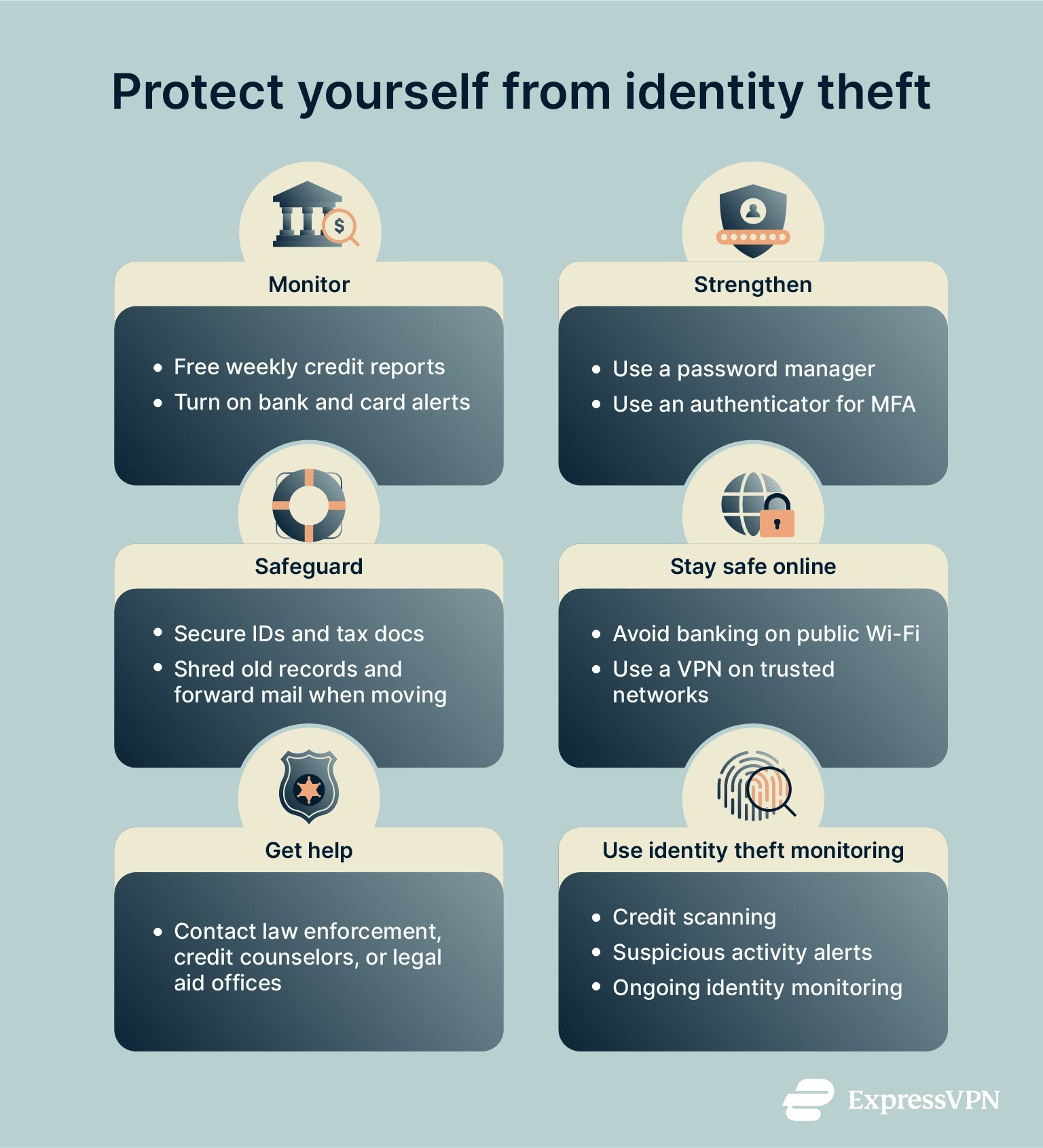
- Identity Theft: Fraudulent activities in your name can drastically decrease your score.
How to Fix a Dropped Credit Score
If your credit score has taken a hit, there are specific steps you can take to begin the recovery process. Here's what you can do:
- Check Your Credit Report: Obtain a free copy of your credit report from the three major bureaus (Experian, TransUnion, and Equifax) to identify inaccuracies or fraudulent accounts.
- Pay Down Debt: Reducing your credit utilization ratio by paying down existing debts can help boost your score.
- Make Payments on Time: Consistently paying your bills on time will positively affect your payment history, which is the most significant factor in your credit score.
- Limit New Credit Applications: Avoid applying for new credit unless necessary, as each inquiry affects your score.
- Consider Credit Monitoring: Implementing a credit monitoring service can help you track your score and receive alerts about significant changes.
Understanding Credit Monitoring and Its Importance
Credit monitoring services play a crucial role in maintaining your credit health. These services continuously track your credit report for changes and alert you to potential issues, allowing you to take prompt action. Here's how credit monitoring works:
When you enroll in a credit monitoring service, it provides regular updates on your credit score and alerts you whenever there are significant changes in your report, such as new accounts, inquiries, or changes in your credit utilization. This proactive approach helps you stay informed and react quickly to any suspicious activity, reducing the chances of identity theft. credit monitoring

 identity theft protection services(12), credit monitoring service(10), best credit monitoring service(18)


 Report this page