Imagine waking up one day to find that your bank account has been drained, your credit cards maxed out, and your personal information scattered across the dark web. This harrowing scenario is a reality for many who fall victim to financial fraud. The emotional toll is immense, leaving individuals and families anxious about their financial security and uncertain about how to reclaim their lives. However, understanding the steps to recover from this crime can bring hope and restoration.
In this comprehensive guide, we will explore the journey of recovery from financial fraud. By examining the causes of identity theft, preventative measures, and essential steps to take immediately after falling victim, we aim to empower you with the knowledge to regain control of your financial future. Let's begin this path to restoration. credit monitoring service
Understanding Identity Theft and Its Consequences
Identity theft occurs when someone illegally obtains and uses your personal information, such as your Social Security number, bank account details, or credit card information. The consequences can be devastating, leading to financial loss, damage to your credit score, and prolonged emotional distress. In 2022 alone, millions of Americans reported incidents of identity theft, underscoring the critical need to understand how such crimes occur and their potential impacts on your life.
Moreover, the aftermath of identity theft often leaves victims grappling with legal and financial complexities. For instance, credit scores can plummet unexpectedly, making it difficult to secure loans or mortgages. Victims may also face harassment from debt collectors for charges they did not incur. Therefore, recognizing the signs of identity theft, such as unfamiliar transactions or changes in your credit report, is essential in addressing the issue quickly.
Steps to Take Immediately After Financial Fraud
Once you suspect that you have fallen victim to financial fraud, acting swiftly is crucial. Here's a structured approach to help you navigate through the recovery process:
- Place a Fraud Alert: Contact one of the three major credit bureaus (Equifax, Experian, TransUnion) to request a fraud alert on your credit report. This action notifies creditors to take extra steps to verify your identity before granting credit in your name.
- Review Your Credit Reports: Obtain your free credit reports from AnnualCreditReport.com. Thoroughly inspect them for any unfamiliar accounts or transactions.
- Report Identity Theft: File a report with the Federal Trade Commission (FTC) at IdentityTheft.gov. This will assist you in crafting an identity theft recovery plan.
- Contact Financial Institutions: Notify your bank and credit card companies about the fraud. They can help you close compromised accounts and monitor for further unauthorized activity.
- File a Police Report: If significant financial loss occurred, file a report with your local police department. This document can protect you when dealing with creditors.
- Monitor Your Accounts: Keep a close eye on your financial accounts, ideally using credit monitoring services to alert you of suspicious activities.
How to Protect Yourself From Identity Theft
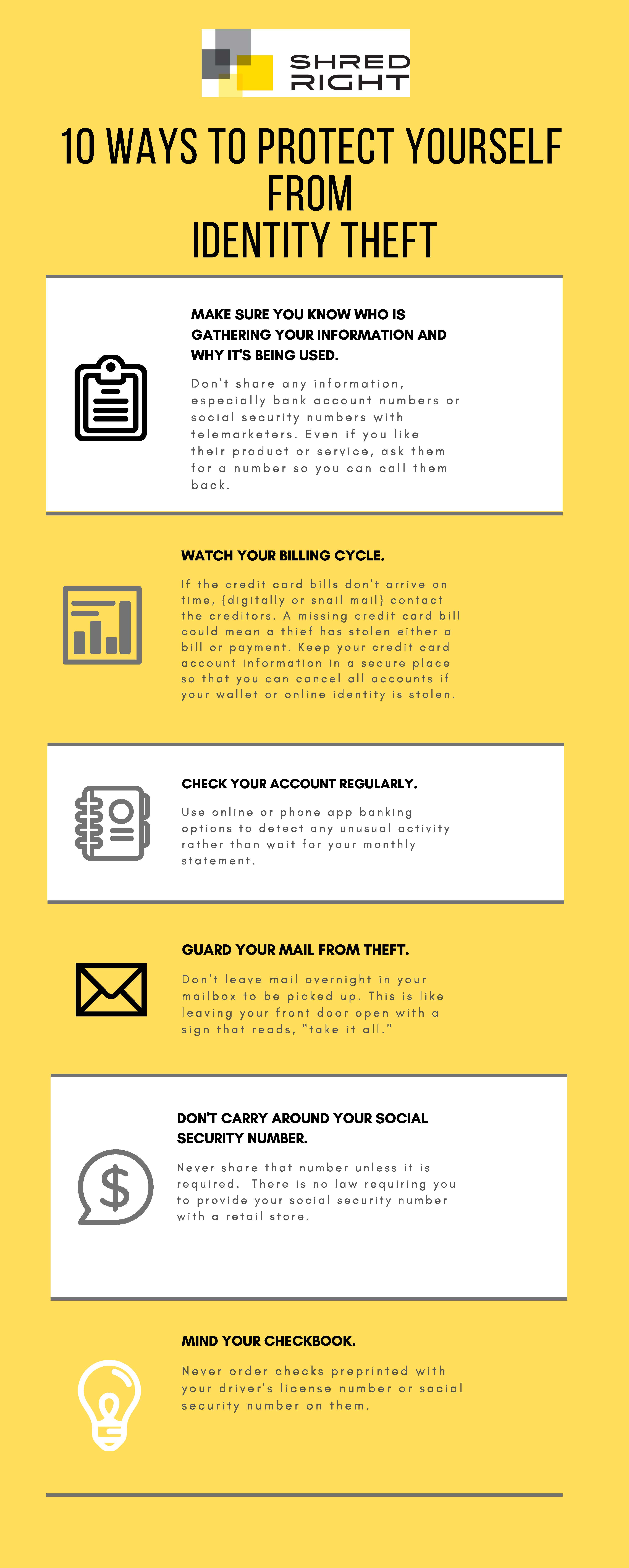
Prevention is always better than cure. Here are ten ways to protect yourself from identity theft:
1. Use strong, unique passwords for different accounts and enable two-factor authentication when available.
2. Regularly update your software and operating systems to protect against vulnerabilities.
3.


 best credit monitoring service
 Report this page