Quite a few people young and old do not understand that, electronic and digital surveillance includes enjoying or keeping track of a person's actions or conversations without his or her understanding or authorization by using one or more electronic gadgets or platforms. Electronic and digital snooping is a broad term utilized to explain when someone sees another individual's actions or keeps an eye on a person's discussions without his/her knowledge or
permission by using one or more electronic and digital gadgets or platforms. In a relationship where there is domestic violence or stalking, an abuser might use recording and spying innovation to "keep tabs" on you (the victim) by monitoring your whereabouts and discussions. The incentive for utilizing electronic surveillance may be to keep power and control over you, to make it hard for you to have any privacy or a life different from the criminal stalker, and/or to try to find (and stop) any plans you might be making to leave the abuser.
Electronic and digital surveillance can be done by misusing video cameras, recorders, wiretaps, social media, or e-mail. Spyware can enable the abusive individual access to everything on the phone, as well as the capability to obstruct and listen in on phone calls.
Is electronic spying unlawful? It depends upon whether the individual doing the recording belongs to the activity or discussion and, if so, if state law then enables that recording. In many situations, what is typically described as spying, suggesting somebody who is not a part of your personal/private activities or discussions keeping an eye on or records them without your understanding, is typically unlawful. The distinctions between these 2 are much better explained below. If the person becomes part of the activity or conversation, in quite a few states allow somebody to tape-record a call or conversation as long as a single person (consisting of the person doing the recording) grant the recording. Other states need that all parties to the communication approval.
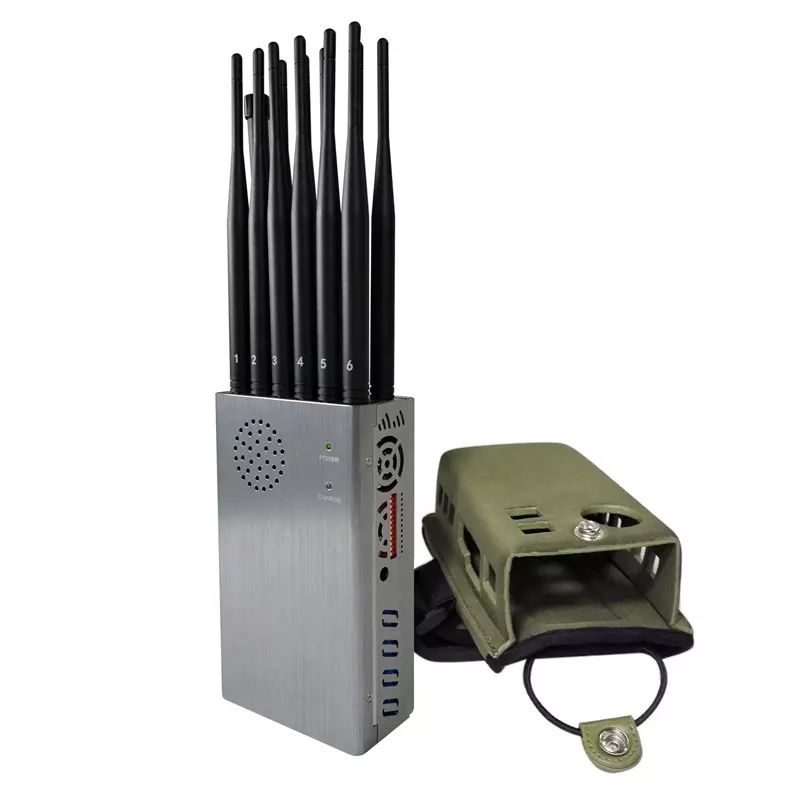
For instance, if Jane calls Bob, Jane might legally have the ability to record the discussion without informing Bob under state X's law, which permits one-party consent for recordings. If state Y needs that each person involved in the discussion know about and permission to the recording, Jane will have to very first ask Bob if it is Okay with him if she records their conversation in order for the taping to be legal. To find out more about the laws in your state, you can check the state-by-state guide of recording laws. A great deal more information can be read, if you want to just click here for the website
allfrequencyjammer.Com !!!
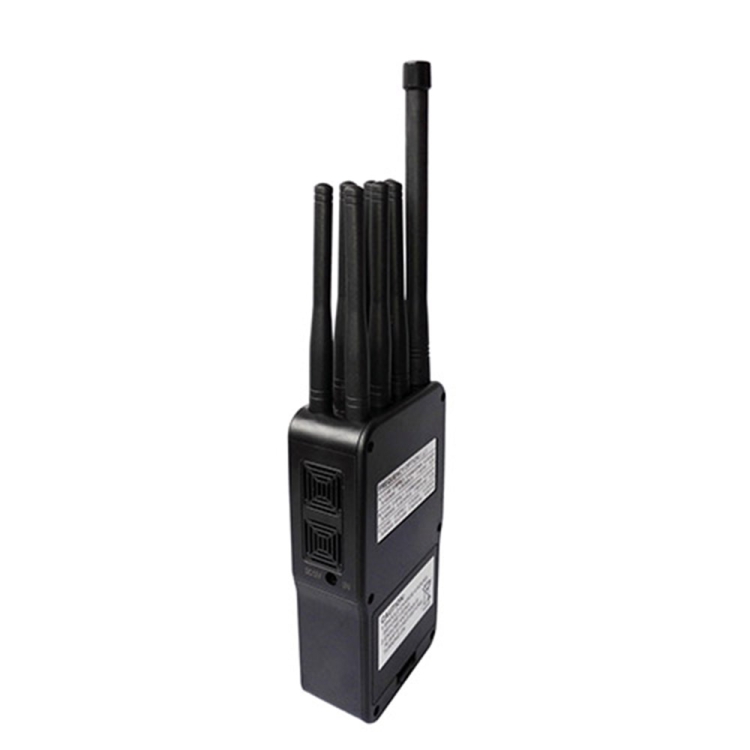
If the person is not part of the activity or discussion:, then there are a number of criminal laws that deal with the act of listening in on a private discussion, digitally recording an individual's discussion, or videotaping an individual's activities. Legally, a sensible expectation of
privacy exists when you are in a circumstance where a typical person would anticipate to not be seen or spied on.


 all frequency jammer
 Report this page